Start with the load and aisle
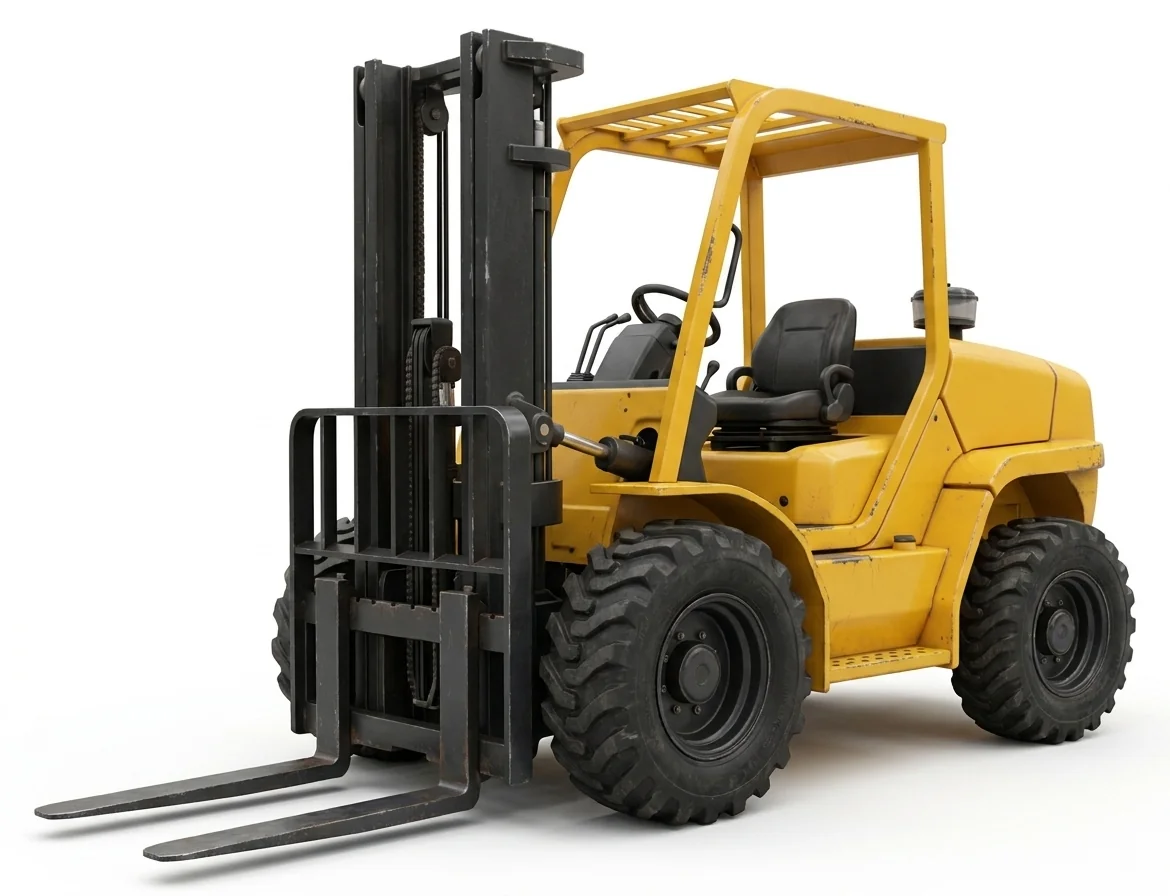
- What does the pallet or bundle measure and weigh? Length and center of gravity influence mast selection and carriage setup.
- How wide are the aisles and staging zones? Older local distribution buildings may have narrow lanes and low mezzanines that limit mast height and overhead guard clearance.
Surface and route in Allentown conditions
Many sites move materials from indoor racks to outdoor laydown. Smooth slab favors cushion tires and electric or LPG power. Short exterior runs over patched asphalt, dock plates, or ramps push you toward pneumatic tires and frames built for transitions. Freeze-thaw cycles create lip edges at joints and drains; check threshold heights and grade changes along the route.
Measurements that narrow the choice
- Minimum aisle width and turning radius: confirm the tightest intersection you must navigate.
- Door and ceiling heights: mast collapsed height and overhead guard clearance must clear older door frames.
- Fork height and free lift: needed for stacking under low ceilings or mezzanines without tilting early.
- Power source: ventilation limits, shift duration, and cold-weather starts influence fuel type.
When a telehandler or scissor lift is better
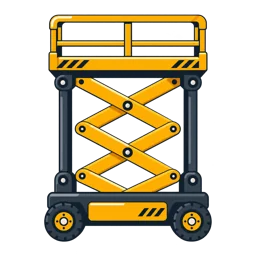
If materials need to reach decks or exterior landings, a /telehandler-rental/ is built for rough-terrain placement. For personnel access to elevated work areas rather than material movement, consider /electric-scissor-lift-rental/ for slab interiors.
Planning around docks
Check dock plate capacities and slopes, trailer bed heights, and the space to square up to the door. Many Allentown facilities have mixed-height docks; a shorter chassis may reduce tail swing in tight aprons.