Start with space and access
- Approach: Measure the narrowest gate, alley, or drive. Tractor-trailer deliveries need straight approach and swing room; roll-off trucks need clear overhead.
- Set-down pad: Level, well-drained surfaces reduce door binding. Mixed asphalt and gravel are common behind commercial buildings—confirm the container won’t bridge a slope break.
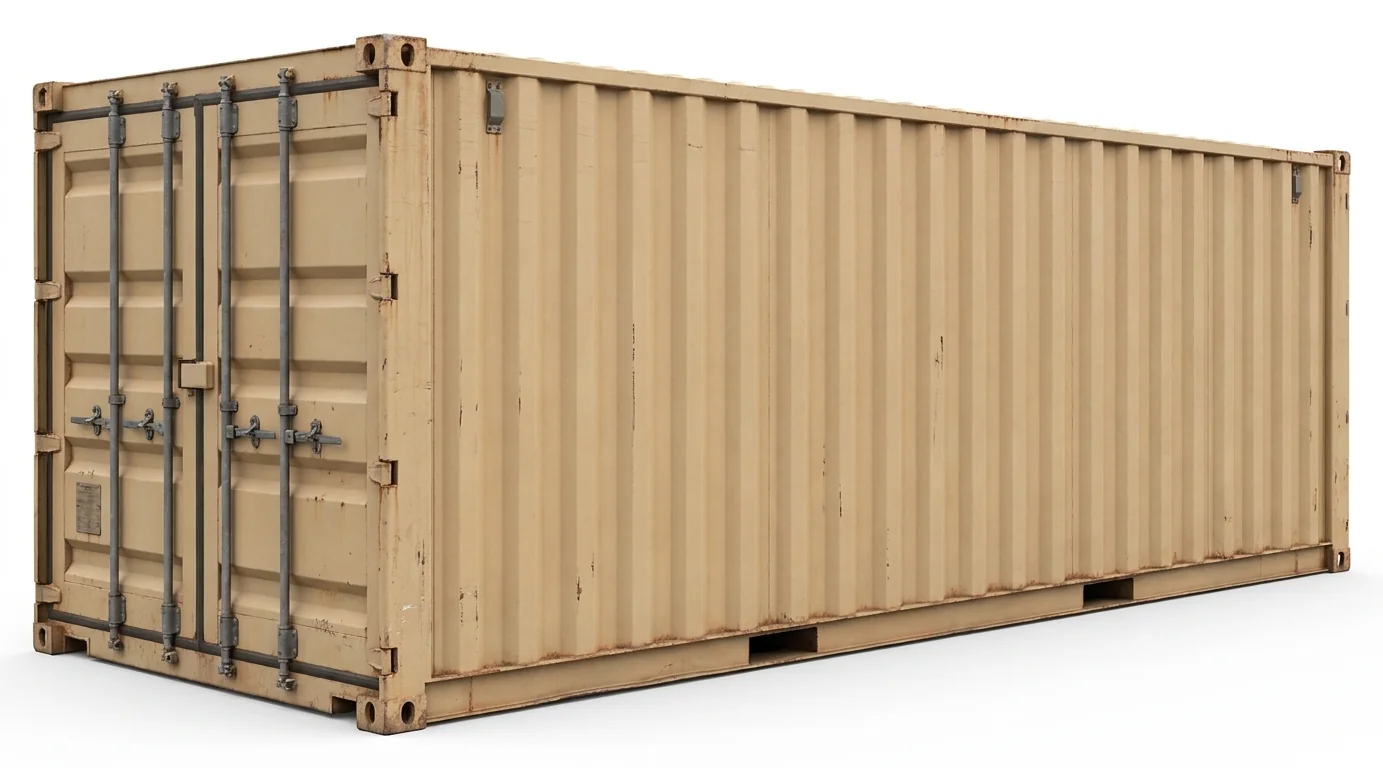
- Door geometry: If the door faces a fence or wall, leave enough apron for loading pallets with a forklift or telehandler.
Local conditions that affect placement
In Allentown, many projects operate beside active businesses and multifamily residences. Daytime parking turnover reduces maneuvering space, and winter freeze–thaw can heave surfaces just enough to rack doors. Rain can soften shoulder areas that looked firm during dry spells. Industrial sites often allow easier entry but may require specific drop zones and sign-in procedures that dictate timing.
Container category considerations
- Size and height: Standard 20-foot units fit tighter lots; longer boxes need more linear space and flat bearing. High-cube models add vertical clearance inside but may conflict with low tree limbs on approach.
- Door type: Wide-swing cargo doors help with pallet loads; side-access options reduce congestion in cramped yards.
- Interior use: Shelving and partition plans change aisle width needs and where the door should face for quick retrieval.
Coordination with lifting and staging
If you plan to lift materials directly from a container to working height, map the path for forklifts or telehandlers. Verify that turning arcs won’t clip bollards or parked cars. Explore options at /forklift-rental/ and /telehandler-rental/.
Surface and weather notes
Containers perform best on uniform, compacted ground. In shoulder seasons, check that low spots do not collect runoff that can settle one corner. A small elevation difference can make doors hard to open, especially after cold nights.
Related planning
- Night or early-shift work may need lighting and temporary power: /generators-light-towers-rental/
- Site separation for deliveries or pedestrian areas: /temporary-fencing-barricades-rental/
Final planning reminder
Exterior staging depends on actual conditions, the selected unit’s instructions, and site procedures. Recheck level and clearance after weather shifts.